Neurodiversity Training and Workplace Consulting
If you’re here, you’re probably looking for a neurodiversity trainer or consultant for your company, and you already know the market is uneven. Some providers do real work. Some produce awareness-month theater that evaporates by the next quarter. This page is a guide to telling the difference — plus a directory of trainers and consultants we’ve reviewed.
What good neurodiversity training actually covers
Awareness is the entry point, not the finish line. A one-hour “what is ADHD” lecture followed by nothing else is not an intervention. Serious engagements include several layers.
Manager-specific training. How to run meetings that work for different brains. How to write clear expectations. How to give feedback without triggering the masking-exhaustion spiral. How to have accommodation conversations without making the employee do all the labor.
Accommodations infrastructure. Many workplaces have a theoretical accommodations process that’s hard to actually use. Real training includes help building a process employees can navigate without burning social capital — clear pathways, trained people on the other end, and documentation that protects both sides.
Hiring and interviewing redesign. The standard panel interview filters out a lot of neurodivergent talent for reasons that have nothing to do with job fit. Real ND training usually includes a look at your hiring funnel and concrete changes that make it work for more brains.
Sensory and physical environment. Open-plan offices and fluorescent lights and mandatory videos-on meetings are accommodations questions that usually get solved at the org level, not by individual employees asking permission.
Follow-through mechanisms. The best training includes what happens after the session — manager check-ins, accountability, updated policies. Without follow-through, you’ll be doing the same training again in 18 months.
What to look for in a consultant
Lived experience on the facilitation team. The strongest neurodiversity trainers are themselves neurodivergent, or their teams heavily include ND people. This isn’t a hard rule — some excellent allistic consultants exist — but it matters. Ask directly.
Specifics, not testimonials. Ask what concrete changes came out of past engagements. A strong consultant can tell you: “After we worked with Company X, they changed their hiring process to do structured interviews with provided questions, and their ND hire rate went from 3% to 14% in a year.” A weak consultant will give you warm client quotes.
Clarity on scope. A good consultant can name what they don’t do. “We’re not organizational psychologists — we won’t solve your culture problems. We do neurodiversity-specific work, and if you have broader DEI issues, you’ll need a different partner.” Evasion is a red flag.
Anti-performative framing. Strong consultants will push back when you’re looking for an awareness-month checkbox. They’ll ask what you’re actually trying to achieve and tell you honestly if what you’re buying won’t get you there.
Case examples for your industry. Training a tech company is different from training a healthcare network is different from training a law firm. Ask about their experience with organizations like yours.
Common engagement types
Single workshops. 2–4 hours. Good for seeding vocabulary and kicking off a longer process. Not good as a standalone solution.
Multi-month programs. Typically run 3–12 months with staged content, manager coaching, and follow-through. This is where real culture change becomes possible.
Accommodations consulting. Narrower but important. A consultant helps you build or refine your accommodations process specifically, usually in 4–8 weeks.
Hiring and recruiting redesign. Another narrow engagement — looking at your hiring funnel and pipeline, often in partnership with your talent team. Timelines vary.
ERG support. If you have an employee resource group for neurodivergent employees (or want to start one), some consultants help stand it up, train facilitators, and set up the interface between the ERG and leadership.
Directory: 23 trainers and consultants
Below are businesses in the NeuroDiversion directory tagged for Workplace & Employment work. Some are pure training; some are broader workplace consulting; some are coaches who also do organizational work. Read the descriptions to find the right fit. Click any card to visit their site directly.
Appropriate Technology Group
ServicesAll the Tools, Stacks, and Hacks for all the things you do.

Ballpoint Books
ServicesFor brains with too many tabs open—I help you close a few and figure out your next move. Whether it’s overwhelm in your small business or everyday life, we’ll untangle it and get you moving again. Because “I’ll figure it out later” is not a system.
Bespeak Joy
ServicesSupports individuals living with chronic pain or adhd understand how to find joy and focus on joy. Not about denying but loving and loving alongside joy.

BSCC
ServicesBSCC, led by owner and principal, Brian Schwartz contemplates a world bending toward justice. He helps neurodiverse clients release shame and claim their greatness. The BSCC team also offers transformational services in organizational effectiveness, facilitation, and mediation.

Cena Block, ADHD Coaching
ServicesADHD Adults, Entrepreneurs & High Performers with ADHD ADHD entrepreneurs, couples & professionals are flush with ideas, yet struggle with sanity! Coaching provides an accountability framework to get things done, avoid blame, and thrive without burning out.
Collaborate Consulting
ServicesCollaborate Consulting helps individuals and organizations adapt to neurodivergent brains, so everyone can do their best work!

Damilatis-Kull Consulting
ServicesDamilatis-Kull Consulting provides strengths-based counseling, coaching, workshops, and consulting designed to foster inclusivity and embrace neurodiversity in all spaces.

Distracted Dreams
ServicesI provide intersectional, ICF-accredited coaching for the neurodiversity community, specializing in ADHD, autism, and co-occurring profiles. I help neurodivergent adults dismantle the "shame loop," pivot from burnout, and build systems for sustainable well-being.

Dr Kathleen Nadeau, LLC
ServicesI am an internationally known ADHD expert and have opened my own private practice after 35 years of being the founder/clinical director of the largest ADHD specialty clinic in the US - The Chesapeake Center
Empathic Engineering
ServicesWe train frontline leaders in STEM and manufacturing to use executive functioning skills that improve team performance and operational efficiency.
Executive Function Coaching Academy
ServicesWe help transitioning educators and school-based professionals transform their education experience into profitable executive function coaching practices that support neurodivergent students.
Meredith Carder-ADHD Coach, Writer and Speaker
Books & MediaMeredith Carder is an ADHD coach, creator and author of It All Makes Sense Now. She helps adults better understand their ADHD through coaching, speaking, educational content and practical resources.
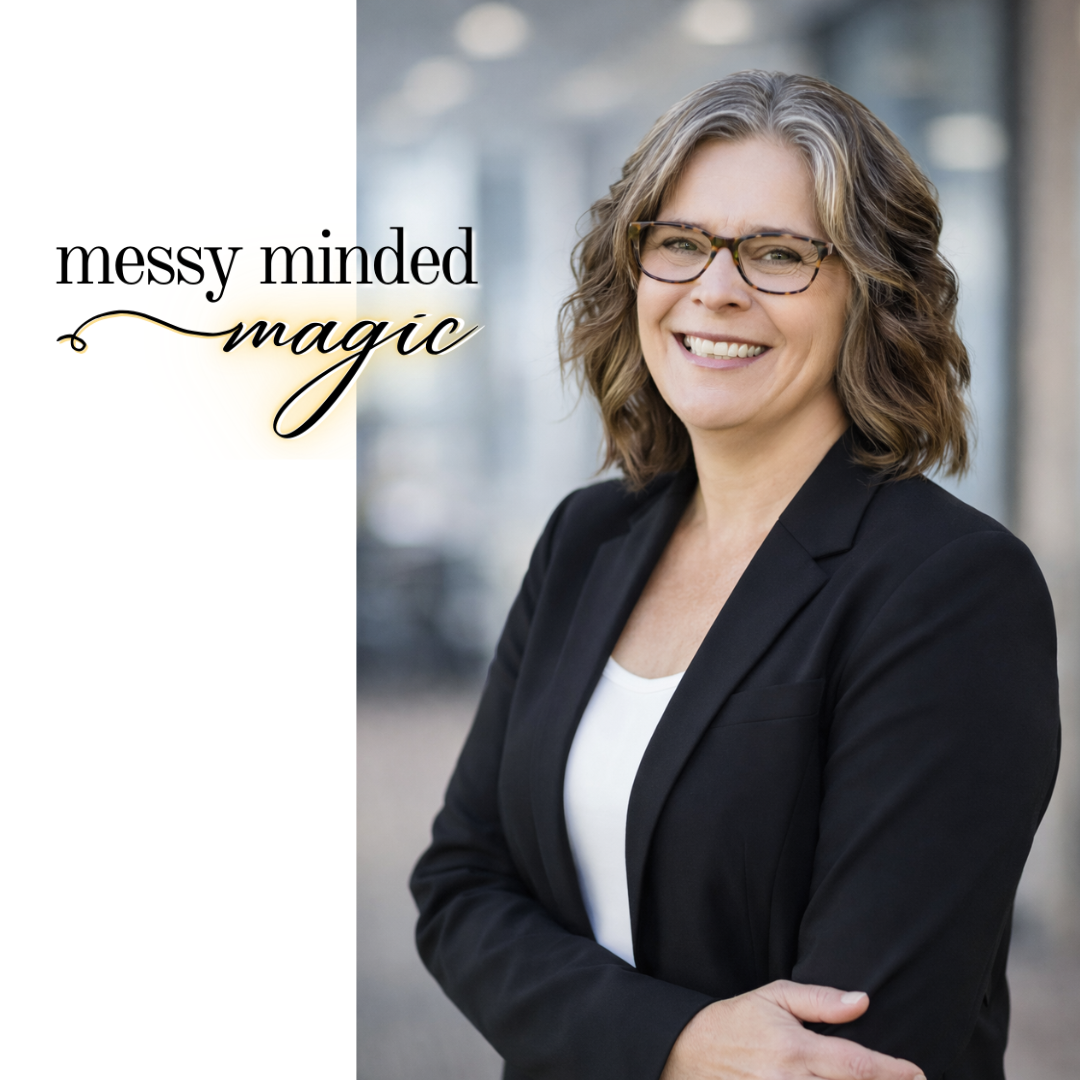
Messy Minded Magic
ServicesBusiness mindset coaching for midlife women entrepreneurs stuck in the spin. Regulate your mind, elevate your income. Create systems that work for your biz, when survival mode has you out of order. Calm your nervous system, then banish brain trash so you can deposit the cash.
NeuroAdapt
TechnologyNeuroAdapt helps autistic, ADHD and AuDHD adults build sustainable working lives. Our free app, practical resources, and personalised, human-reviewed ZONE Profile help you understand your needs, manage your energy and keep more of yourself for life beyond work.
Neurodivergence At Work
ServicesWorkplace coaching, consulting, and training that helps organizations create neuroinclusive environments where all minds can do their best work.
Neuron Labs
ServicesOwn college & career prep like a boss ✦ Make plans you keep, get stuff done ✦ Stay cool while at it ✦ I coach Executive Function skills to HS/college students and professionals. Focus: ADHD, autism, 2e, anxiety | IEP / 504 Specialty: immigrant, ethnic, faith-anchored communities
Next Steps Neurodiversity
ServicesTransforming lives through dynamic community events, professional consulting services, and comprehensive neurodiversity resources in Colorado and beyond.

Pique
TechnologyTechstars-backed AI note-taker and meeting copilot that turns lectures and meetings into actionable insights in formats that work for every mind.

Quinn Geear Coaching
ServicesQuinn Geear Coaching helps ADHD adults understand their patterns, needs, and barriers. I especially work with late-diagnosed adults, LGBTQIA+ folks, people navigating perimenopause, and those moving through major life transitions.
Stop Your Public Speaking Fear
ServicesTED Talk Trainer will liberate your ADHD brain from Public Speaking Fear. Results last forever.
Strategic Sound Consulting
ServicesOperations consultant and ADHD coach for founders already running a business. 12+ years in enterprise operations at Microsoft, Zillow, and T-Mobile. MBA, PMP, Six Sigma Black Belt, Prosci Change Management. Every engagement starts with a standardized six-domain diagnostic, so the plan follows the evidence. No hustle, no superpower framing: the system gets diagnosed, not the person.

Syn-APT Leadership & Coaching
ServicesSyn-APT helps high-performing professionals reduce cognitive load and lead in ways that align with how they think and work. We support neurodivergent and neuroinclusive leaders in building sustainable performance without constant self-override.
UpSkill Specialists
ServicesAt UpSkill Specialists, we help neurodivergent adults improve their executive function skills so they live a more organized, happier, and healthier life.
Building beyond training: the real work
A workshop doesn’t change a culture. What changes culture is the quiet accumulation of better everyday practices — the meeting that has a written agenda, the manager who asks “what do you need to do your best work?” in 1:1s, the hiring process that gives candidates the interview questions in advance, the policy language that makes accommodations easy to request.
A good consultant helps you build these systems. A great consultant trains your people to maintain them after the engagement ends. That’s what you’re buying — not an event, but a system that keeps running.
Frequently asked questions
What does good neurodiversity training actually cover?
Beyond awareness: specific management practices (how to run inclusive meetings, write clear expectations, give feedback that lands), accommodations infrastructure, hiring and interviewing redesign, and follow-through mechanisms so training doesn’t evaporate the week after.
How do we know if a neurodiversity consultant is the real thing?
Lived experience matters. Ask whether the facilitators are themselves neurodivergent. Ask for specifics on past engagements, not testimonials. Ask what they don’t do. Strong consultants name their scope clearly. Weak ones promise to transform your culture in a half-day session.
What does neurodiversity training typically cost?
Single workshops range from $1,500 to $15,000 depending on length, audience size, and customization. Multi-month engagements that include manager coaching, hiring redesign, and accommodations infrastructure run significantly higher. Smaller ND-led consultancies are often more affordable than larger firms.
Do we need formal neurodiversity training, or can we just hire more ND people?
Hiring without changing how you work puts the burden entirely on the ND employees to mask or educate peers. Training and infrastructure make the environment survivable before you ask people to show up to it. Both matter.
What’s the difference between a neurodiversity trainer and a DEI consultant?
A neurodiversity trainer works specifically on ND inclusion — brains, communication styles, sensory environments, accommodations, hiring practices. A general DEI consultant covers broader territory and often doesn’t go deep on ND specifically. For serious ND work, look for specialists.
Many of our listed consultants also exhibit at the annual NeuroDiversion event—a useful chance to meet them in person before signing an engagement. If you're an individual looking for training for yourself rather than for your company, see training programs for individuals. Related pages: career coaches for individuals and what "neurodivergent-affirming" means.