Vote for ND27 sessions · NeuroDiversion

ND27 · Community session vote

Vote for ND27 sessions

Your vote matters! Read the proposals and choose up to five sessions you would most like to experience at ND27.

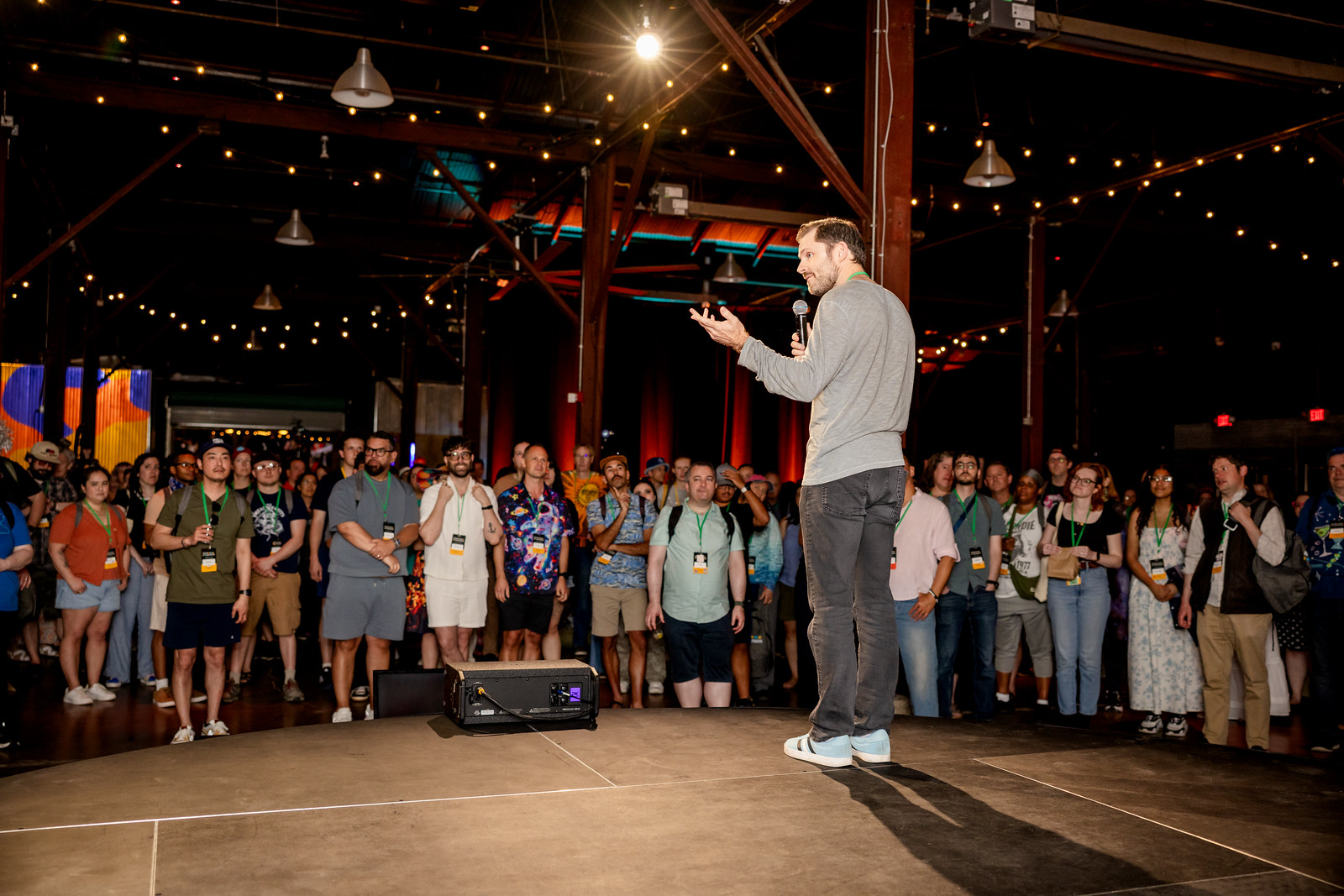
A speaker addresses a crowd gathered around the stage at ND26
Choose 5 favorites

108 proposals · submitted by the community

Choose up to five sessions.

Browse every eligible proposal. The order is randomized and results stay private while voting is open.

Showing 12 of 108 matching sessions · 108 total
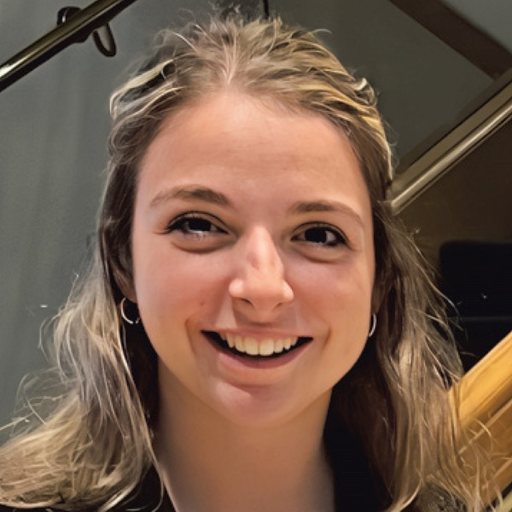
Diana Damilatis-Kull
Workshop

Diana Damilatis-Kull

Interviewing, onboarding, open-plan floors, the unwritten rules nobody explains. The barriers neurodivergent adults hit at work are mostly design problems. Nineteen years of helping neurodivergent students cross into employment, distilled into the supports that make a workplace usable.

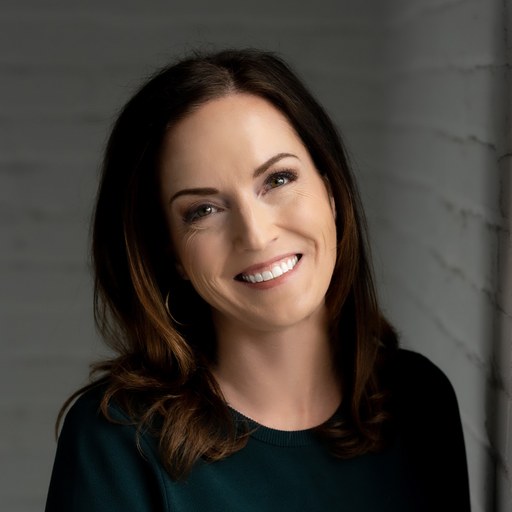
Caleb Bogia-Curles
Talk

Caleb Bogia-Curles

ADHD statistically leads to worse financial outcomes, and a middle-class life is hard to reach. Many of us struggle to be consistently boring with money, then sometimes earn a lot and feel overwhelmed. A Certified Financial Planner with AuDHD on why, and what helps.

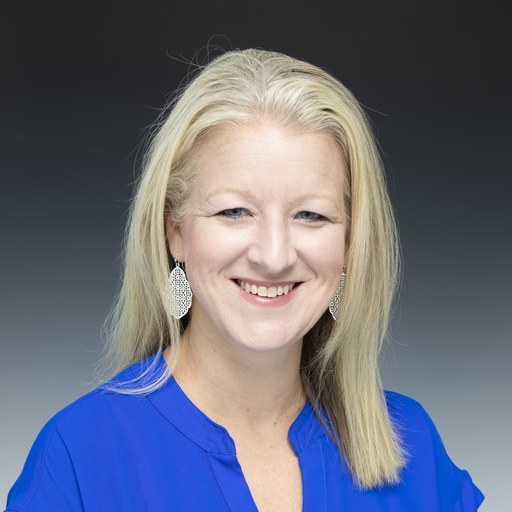
Rebekka Hale
Workshop

Rebekka Hale

Masking as a neurodivergent person. Masking as a queer person. Doing both at once for years without a name for either. A queer, neurodivergent therapist on what the research shows, what two masks cost, and how unmasking can happen in ways that stay safe.

Talk

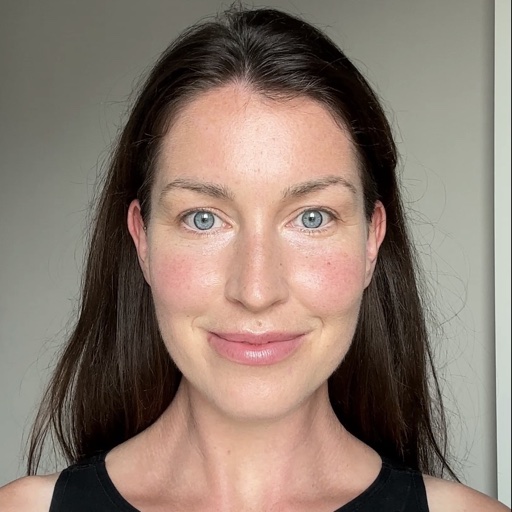
Jamilyn Cole

Jamilyn had special education services from age four through high school and spent most of it wondering whether she’d turn out okay. Now she’s the learning specialist. What happens when the kids everyone worried about grow up, and what the rest of us missed.

Workshop

Timothy Frie

Nutrition advice runs on rules, and rules are where neurodivergent brains go to die. An AuDHD nutritional neuroscientist who studies how people eat, not how they’re told to, on reading your own needs and meeting them inside your real capacity.

Cathy Rashidian
Workshop

Cathy Rashidian

You know you have ADHD, you’ve been succeeding anyway, and then the role got bigger and your tools stopped keeping up. What ADHD looks like at a high-performing level, why the fixes you tried didn’t hold, and what a full support system includes.

Anna Charitonos
Talk

Anna Charitonos

“Just find your why” rarely works when motivation is inconsistent. Drawing on research into dopamine, reward, and intrinsic motivation, a speaker with AuDHD and a neuroscience and psychology background offers a four-step framework for building motivational pull without relying on willpower.

Rob Nickester
Workshop

Rob Nickester

Rob spent thirty-five years in corporate technology leadership and built a nine-figure portfolio while reading his own inconsistency as a character flaw. It wasn’t one. Four moves for building an execution system instead of waiting on motivation, done in the room.

Jordan Salzano
Talk

Jordan Salzano

Routine is load-bearing and change pulls the beam out. An autistic speaker who has given this at national autism conferences on why change lands harder when your sensory system is already full, which moments are worth moving for, and five ways through.

Megan Helmen
Talk

Megan Helmen

Between the appointments, the paperwork and the list of things to fix, delight goes first. A pediatric neuropsychologist and 2e parent argues that joy and shared obsessions aren’t the reward for getting the hard stuff right, they’re how resilience gets built.

Jennifer Carter
Workshop

Jennifer Carter

Noise-cancelling headphones. Dark mode. Leaning on Grammarly to finish a sentence. The accommodations everyone already reaches for, used as a way into what a different sensory filter or cognitive rhythm costs. Stories and prompts, built for the colleagues in the room.

Lisa Dee
Workshop

Lisa Dee

What if the problem isn’t that you can’t make yourself do the work, but that you’ve stopped wanting the future it’s building? Lisa read her own inconsistency as a discipline failure for years before admitting she wanted to write fiction. Includes a guided visualization.

The process

How We Decide

1

Choose up to five

Pick the sessions you would most like to attend.

2

Confirm by email

One email address gets one ballot. You can revise it while voting is open.

3

We build the program

Community results join the other factors that shape the final schedule.

Community choice is one part of programming.

Community-choice results will help shape the schedule. The final program also considers topic balance, different kinds of sessions, representation, and room for new voices.

NeuroDiversion

ND27 · Austin, Texas · March 24–27, 2027